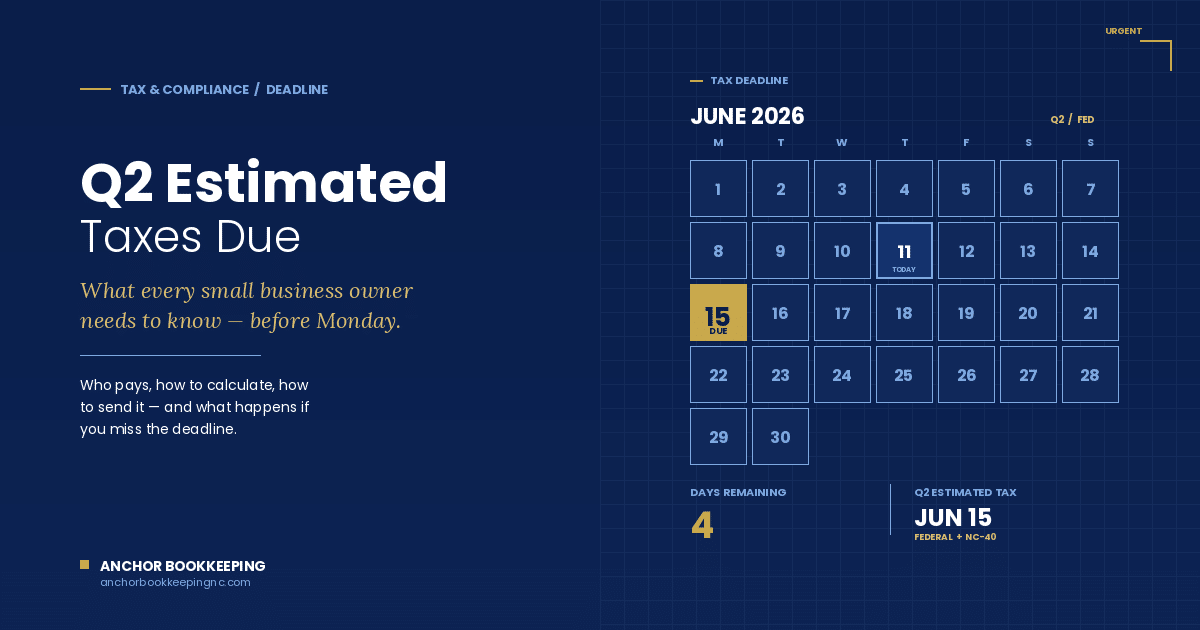
DEADLINE: Thursday, October 15, 2026
Twenty-four days out. Individual and small business extended returns are due — filed and paid — by this date. Here’s what to do.
Quick Answer
If you filed a tax extension in April, your 2025 return is due Thursday, October 15, 2026. The extension gave you six extra months to file — not six extra months to pay. Any tax owed was technically due April 15, and interest and late-payment penalties have been accruing since. But late-filing penalties (which are much larger) only start piling up if you also miss the October deadline. The single most important thing you can do right now is gather your documents and get the return filed by October 15, even if you can’t pay the full balance. Filing on time is what stops the biggest penalties. Twenty-four days is enough — if you start today.
What’s Actually Due on October 15
The October 15 deadline applies to a specific set of returns — the ones where a six-month automatic extension was requested in April. Most commonly:
- Form 1040 — individual income tax return for taxpayers who filed Form 4868 for an extension
- Form 1040-SR — for seniors who filed an extension
- Schedule C, E, F, and other 1040 attachments — sole proprietors, landlords, and farmers
- Form 1120 — C-corporations with an April tax year that filed Form 7004
- FinCEN 114 (FBAR) — the Foreign Bank Account Report, automatically extended to October 15 without a separate filing
Some returns that were due earlier have different extended deadlines:
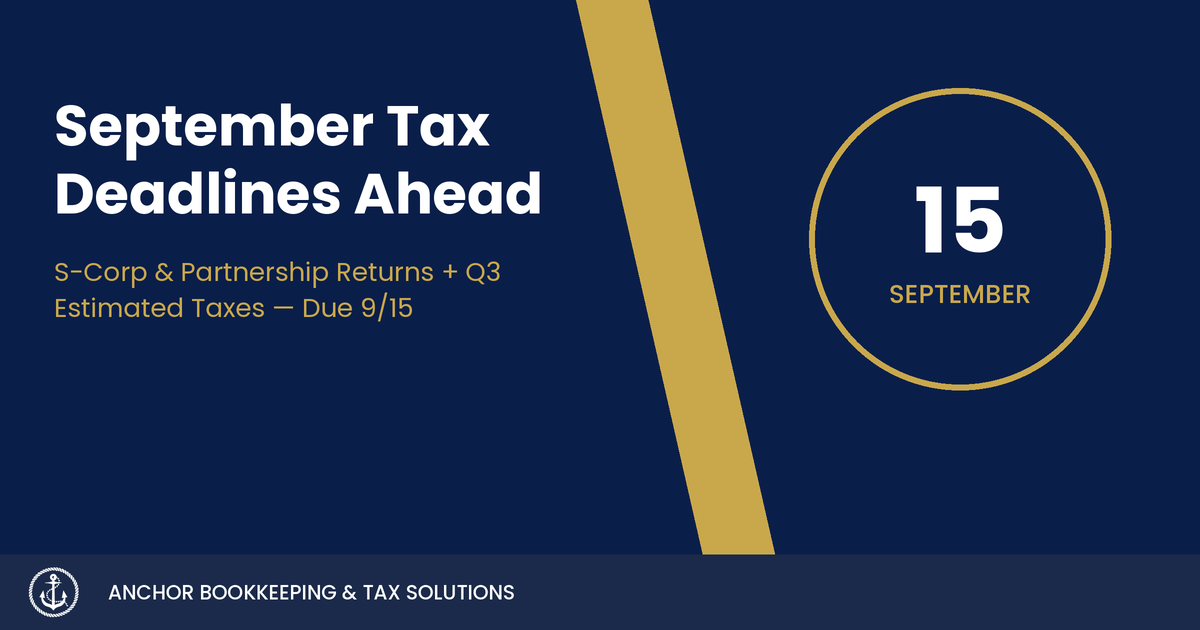
- Partnership returns (Form 1065) and S-corporation returns (Form 1120-S) that filed extensions were due September 15, not October
- Trust and estate returns (Form 1041) that filed extensions are due September 30
If you’re not sure which return applies to you, check the copy of the extension form your tax preparer filed in April — it will show the extended due date.
Late Filing vs. Late Payment:
The Distinction That Matters Most
This is the single most misunderstood thing about tax extensions, and it’s what makes October 15 so important. There are two separate penalties, and they behave very differently:
Failure-to-File Penalty
If you don’t file by the extended deadline (October 15), the IRS assesses a failure-to-file penalty of 5% of the unpaid tax per month, up to a maximum of 25%. If your return is more than 60 days late, there’s also a minimum penalty (typically the lesser of $525 or 100% of the tax owed, per current IRS guidance).
This is the big penalty. This is what you’re avoiding by filing on time — even if you can’t pay in full.
Failure-to-Pay Penalty
If you didn’t pay your full tax liability by April 15, the IRS has been assessing a failure-to-pay penalty of 0.5% of the unpaid balance per month since April, plus interest (the interest rate is currently around 8% annualized in 2026, adjusted quarterly). This is significantly smaller than the failure-to-file penalty — usually by a factor of 10.
Why This Matters
If you’re behind on both filing and paying: file anyway. Filing on time stops the failure-to-file penalty from accruing, which is the biggest single thing you can do to limit the damage. Not being able to pay the full balance is a separate problem, and the IRS has payment plans available for exactly this situation — but they can’t help you until you actually file the return.
The worst possible move is skipping the deadline because you can’t afford to pay. Everything gets more expensive from there.
What to Gather Right Now
The fastest way through a last-minute filing is to have every document ready before you sit down (or before you hand it to a preparer). Here’s the checklist:
Income Documents
- W-2s from every employer
- 1099-NEC, 1099-MISC, 1099-K for freelance or contractor income
- 1099-INT, 1099-DIV for interest and dividend income
- 1099-B for investment sales
- Schedule K-1s from partnerships, S-corps, or trusts
- Rental income records (rent roll, security deposit reconciliation)
- Business gross receipts if you’re a sole proprietor
Deduction & Credit Documents
- Mortgage interest statement (1098)
- Property tax records
- Charitable contribution receipts
- Medical expense records if itemizing
- Business expense records if you have Schedule C or Schedule E income
- Retirement account contributions
- Student loan interest paid
- Dependent care expenses
- Education expenses (1098-T)
Prior-Year Reference
- Copy of your 2024 tax return
- Any IRS or state notices received during 2025 or 2026
- Confirmation of extension payment made in April (Form 4868 acknowledgment or bank record)
Small Business Specific
- Year-end 2025 P&L and balance sheet
- Payroll reports if you had employees
- 1099s issued to contractors
- Vehicle mileage log
- Home office square footage if claiming the deduction
- Asset purchase records for depreciation
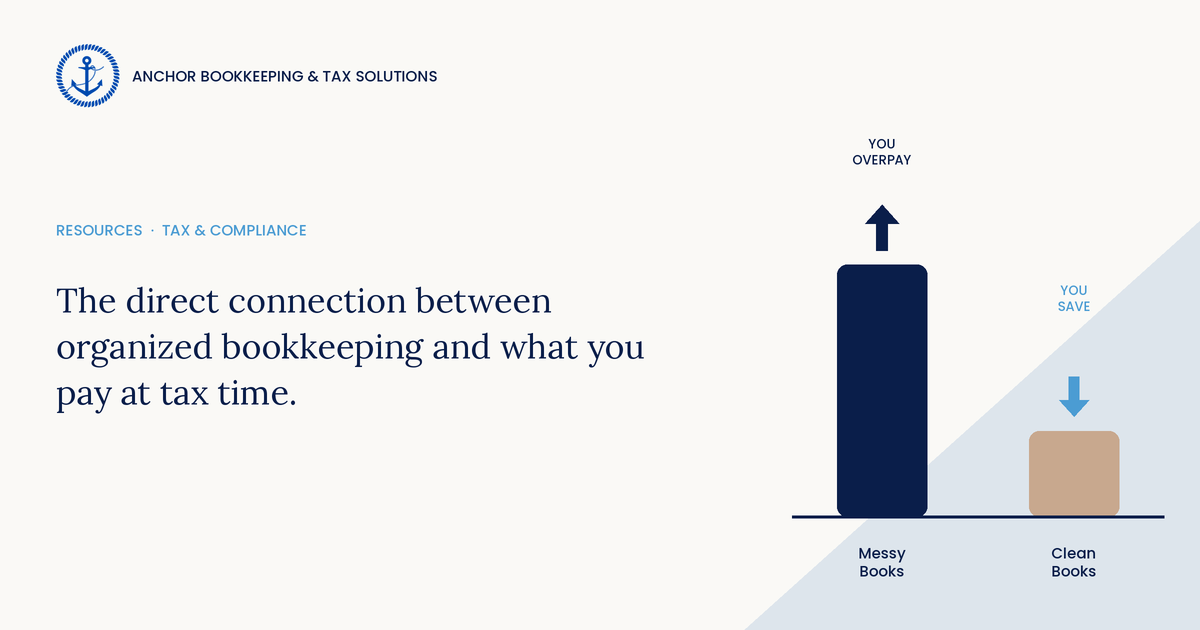
If your bookkeeping is behind or incomplete, that’s a separate problem you’ll need to solve first. A rushed return filed on top of messy books usually means missed deductions and a bigger tax bill than necessary.
What to Do If You Can’t Pay the Full Balance
If the return you’re about to file shows a balance you can’t pay by October 15, don’t skip the deadline. File on time and then work out payment. The IRS has structured options for exactly this situation:
Short-Term Payment Plan (up to 180 days)
For balances under $100,000 including tax, penalties, and interest, individuals can typically qualify for a short-term payment plan online through IRS.gov. There’s no setup fee, but interest and the failure-to-pay penalty continue to accrue on the unpaid balance.
Long-Term Installment Agreement
For balances that need more than 180 days to pay off (typically up to 72 months for individuals with balances under $50,000), the IRS offers installment agreements. There’s a setup fee ($22 for direct debit online, higher for other options), and penalties/interest continue to accrue until paid in full.
Offer in Compromise
For taxpayers who genuinely cannot pay their full liability, the IRS may accept less than the full amount owed through an Offer in Compromise. This is a formal process with specific eligibility criteria and is best handled with a qualified tax professional. Not everyone qualifies — but it’s a legitimate option when the alternative is genuine financial hardship.
What Not to Do
Don’t ignore the deadline hoping the problem resolves itself. Don’t withdraw retirement funds to pay tax without first evaluating the tax impact of the withdrawal (which often makes the problem worse). Don’t fall for “tax resolution” companies that promise to eliminate your tax debt for pennies on the dollar — most are predatory.
How to Actually Get It Done in 24 Days
Filing on time is more achievable than most panic scenarios suggest. Here’s a realistic timeline that works with today’s virtual tax preparation:
- This week: gather documents. Even if you’re planning to hire help, the preparer needs everything organized before they can start.
- Reach out to a tax preparer immediately. A qualified preparer working virtually can typically take on a straightforward return through mid-October, but availability tightens rapidly the closer we get to the 15th.
- Get bookkeeping current if you have a business. Sole proprietors, LLCs, and small business owners often need catch-up bookkeeping done before the tax return can be finished. This is one week of work, not one month — but it has to start now.
- Sign and file by October 15. With virtual filing, e-signatures, and IRS e-file, there’s no reason to wait until the last day.
- Set up a payment plan if needed. Handle this separately from the filing itself.
FAQs
What if October 15 falls on a weekend?
In 2026, October 15 is a Thursday, so the deadline is Thursday. When the 15th falls on a weekend or federal holiday, the deadline shifts to the next business day.
What if I never filed the extension in April?
You’re already in failure-to-file penalty territory, and the priority is filing as soon as possible. The clock has been running since April 15. File now, then work out the balance separately.
Can I get another extension past October 15?
Generally no. October 15 is the final extended deadline for most returns. Very limited additional extensions exist for taxpayers living abroad or serving in combat zones, but for most people, October 15 is the last stop.
What if I’m expecting a refund?
Then there’s no late-payment penalty (you don’t owe anything), but you still need to file to actually get the refund. And you have three years from the original due date to claim a refund — after that, the IRS keeps it.
Do state extensions have the same October 15 deadline?
Most states that offer automatic extensions align with the federal October 15 deadline, including North Carolina. A few states have different rules or require a separate extension filing. Check your state’s Department of Revenue website or ask your preparer.
How much does it typically cost to have a return prepared this close to the deadline?
Simple individual returns (W-2 income, standard deduction) typically run $250–$500 for professional preparation. Returns with self-employment, rental income, or multiple states typically run $500–$1,500. Business returns start at $800 and go up from there depending on complexity. Rush fees are sometimes charged for engagements started less than two weeks from the deadline.
What if I still don’t have all my 1099s or K-1s?
Contact the issuer immediately. If you cannot obtain a missing document by October 15, your preparer can file the return using best-available information and amend if needed. Filing on time with a reasonable estimate is far better than not filing at all.
Twenty-Four Days. Real Help.
If you filed an extension in April and haven’t started your return, we can help.
Anchor Bookkeeping offers virtual tax preparation for individuals, sole proprietors, and small businesses — with a real team of QuickBooks Platinum ProAdvisors and tax professionals based in Charlotte, NC and serving clients nationwide.
If your bookkeeping isn’t ready for tax prep yet, we can do the catch-up work first. If your books are current, we can move straight into return preparation. Either way, we still have capacity for the October 15 deadline — but that window narrows every day.
→ Get tax help before October 15
Disclaimer: This article is for informational purposes only and does not constitute tax, legal, or financial advice. Penalty amounts, interest rates, and IRS payment plan terms can change; verify current rates and rules with the IRS or a qualified tax professional based on your specific circumstances.
About the Author
Jenny Rodriguez is the Founder & CEO of Anchor Bookkeeping & Tax Solutions, based in Charlotte, NC. With over 10 years of experience supporting construction, trucking, legal, and real estate businesses, Jenny is a QuickBooks Platinum ProAdvisor and bilingual financial professional (English/Spanish). She founded Anchor in 2016 to give growing businesses the financial clarity and proactive support they deserve.
Browse Resources by Topic
Reach Out for Expert Guidance
Contact Anchor Bookkeeping and Tax Solutions today for tailored support in managing your financial needs. Our team is ready to provide personalized assistance to help you achieve your financial goals.